What Is a Shower Trailer and Who Needs One?
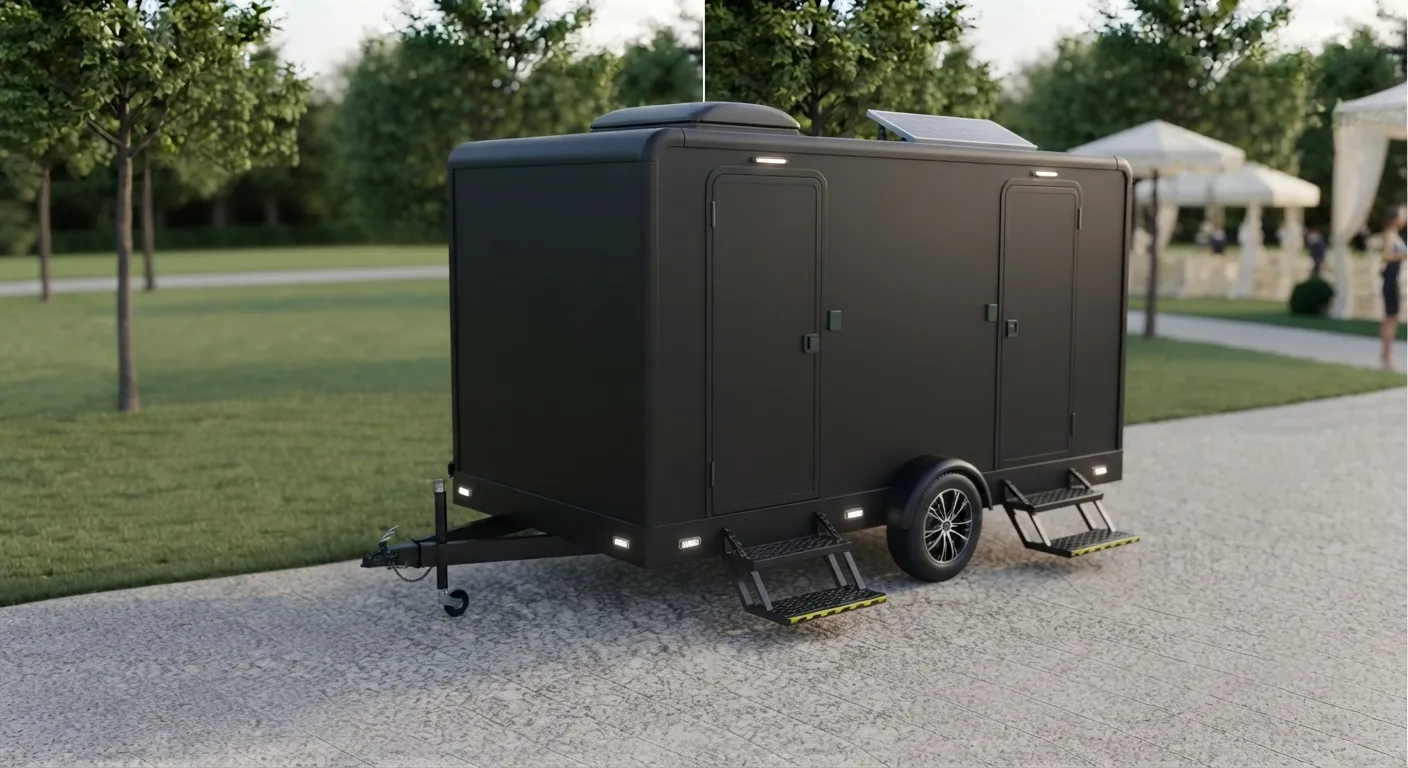
A shower trailer is a self-contained unit with private stalls, running water, and drainage, towed to your site and hooked up on arrival. Brooklyn Park Porta Pros deploys them for construction crews working extended jobs, for disaster relief sanitation after a flood or storm knocks out home plumbing, and for multi-day events where guests need more than a portable restroom rental. Crews on longer builds often pair a shower trailer with a restroom trailer rental so workers have both covered on the same site. Camps, farm operations bound by farm and agricultural restrooms planning, and film crews searching for a film set restroom rental all use the same base unit, just scaled differently. Smaller jobs sometimes only need a 2 stall restroom trailer instead. If you are not sure a shower trailer is the right call versus a standard unit, start with how many porta potties do I need and work up from there. Brooklyn Park sees enough storm and infrastructure disruption that having a mobile shower option on file matters more than people expect until the day they need it.
How Much Does a Shower Trailer Rental Cost in Brooklyn Park?
Pricing depends heavily on duration and trailer size, and the spread is wide because a two-stall unit and an eight-stall luxury trailer are not the same product.
| Duration | Low | Typical | High |
|---|---|---|---|
| Day | $175 | $800 | $2,500 |
| Week | $150 | $1,397 | $1,650 |
| Weekend | $900 | $2,000 | $3,000 |
| Event (multi-day) | $2,499 | $3,500 | $3,899 |
A single-day rental sits at the low end mainly for smaller shower units; anything closer to a full luxury restroom trailer build pushes toward the top of that range. Weekly rentals in Brooklyn Park often work out cheaper per day than a weekend booking, since weekend rates carry a premium for quick turnaround delivery and pickup. Delivery is typically billed separately, and standalone delivery fees range from 100 to 500 dollars depending on distance and access. For a full cost breakdown across unit types, see restroom trailer rental cost and porta potty rental cost if you are comparing against standard units.
Where Can a Shower Trailer Be Placed on My Property?
The trailer needs a level, stable parking spot with enough clearance for the tow vehicle to back in and out, plus access to a power source if the unit does not run fully self-contained. ADA Standards section 302.1 requires floor and ground surfaces on accessible routes to be stable, firm, and slip resistant, which matters if guests or workers with mobility needs will use the trailer. Standard shower trailer footprints vary by stall count, but plan on similar clearance logic to a roll-off dumpster rental delivery, which needs about 60 feet of straight clearance behind the truck for safe positioning. If your Brooklyn Park property sits on a tight lot or shared driveway, mention that when you request a quote so the crew brings the right tow setup. Homes in Brooklyn Center, roughly 3.8 miles southeast, and Champlin, about 6.5 miles northwest, fall inside the same general delivery window as jobs inside Brooklyn Park proper. For general guidance on unit placement, positioning, and access requirements, check the porta potty placement guide before your delivery date, since the same clearance and grading rules apply to trailers.
Do I Need Permits or ADA Access for a Shower Trailer in Brooklyn Park?
Permit rules vary by property type and how long the trailer stays, so placement in the public right of way needs confirming directly with the city before delivery. For private property jobsites and backyards, permitting is usually a non-issue, but events on public land or extended placements on a street frontage often are not. If your event or jobsite includes public accommodation, ADA Standards section 213.2 requires that where single-user portable units are clustered, at least 5 percent, and never fewer than one, must be an accessible unit. Section 404.2.3 sets minimum clear door opening width at 32 inches, and section 405.2 caps ramp running slope at 1:12 if a ramp is needed to reach the trailer. For construction sites specifically, OSHA 1926.51(c)(1) sets toilet ratios by crew size, and shower access often gets planned alongside those same counts. Review ADA restroom requirements and porta potty permit requirements before finalizing your order, and pair an ADA accessible porta potty with the trailer if your site needs both.
Frequently asked questions
How far in advance should I book a shower trailer in Brooklyn Park?
Book at least one to two weeks out for standard jobs, longer for events or disaster response when demand spikes fast. Weekend and multi-day event rentals move quickest, since fewer trailers sit idle. Call sooner if your dates overlap a known local event or storm season surge.
Can a shower trailer run without a hookup to city water?
Some units run self-contained with an internal freshwater tank, which is common for remote sites or disaster deployments. Others need a garden hose connection to an existing water source. Tell the crew your site conditions when booking so they bring the right configuration.
How is wastewater handled from a shower trailer?
Wastewater drains into an onboard holding tank, pumped out during service visits similar to septic and holding tank service. Brooklyn Park Porta Pros schedules pump-outs based on usage volume and rental length. For comparison, see holding tank rental and septic pumping service.
What is the difference between a shower trailer and a restroom trailer?
A shower trailer is built around private shower stalls with drainage and hot water; a restroom trailer focuses on toilets and sinks. Some larger units combine both. Compare stall configurations on the 4 stall restroom trailer and 8 stall restroom trailer pages.
Do shower trailers work in cold weather?
Cold weather requires insulated or heated units to keep water lines from freezing, and setup differs from warm-season deployment. See porta potty in winter for how freezing conditions affect portable sanitation generally, since similar principles apply to trailer plumbing.
Next step
Get a delivery date
Tell us the address, the dates and the headcount. We size the order and confirm the route.