How many restrooms does a farm operation need?
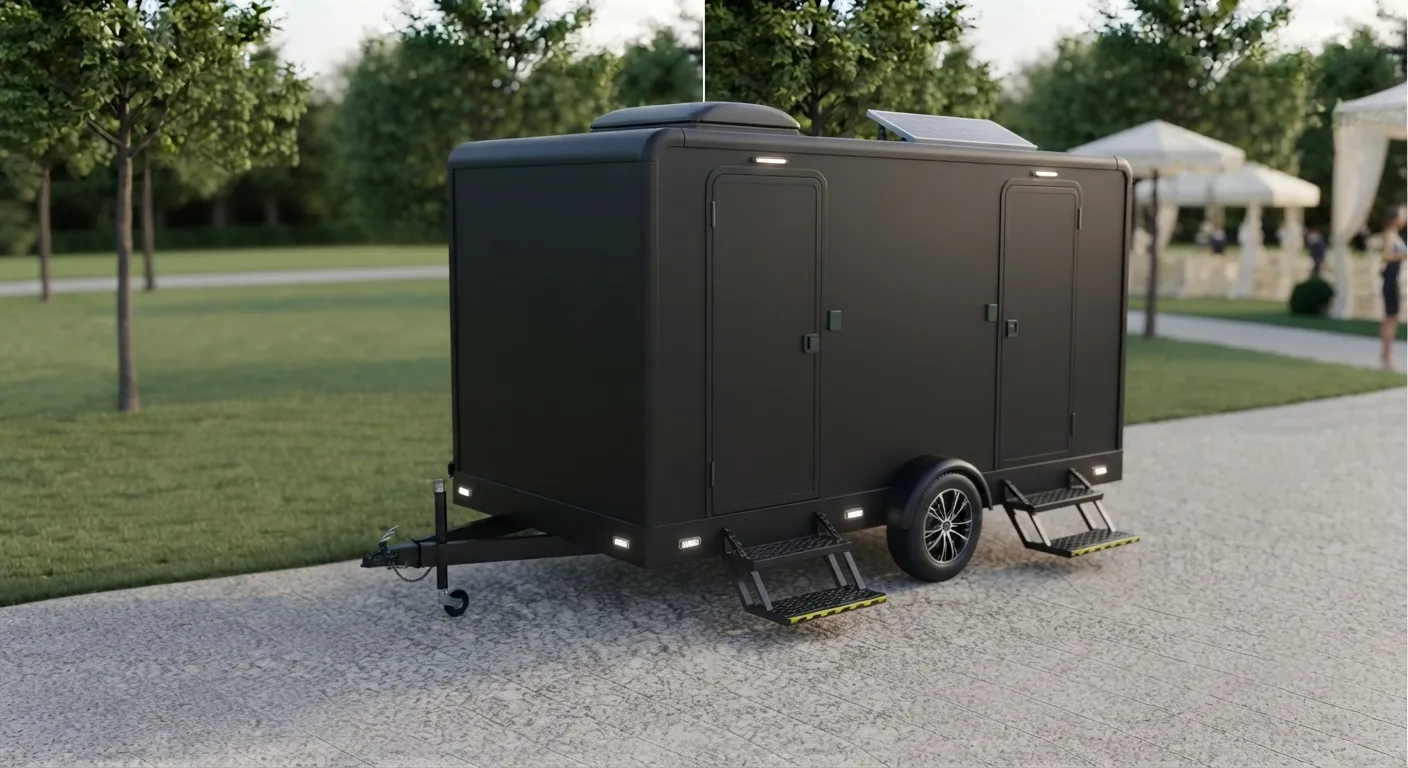
Start with headcount, not acreage. OSHA 1928.110 requires field sanitation for hand-labor employees at a ratio of one toilet and handwashing setup per 20 workers, and each facility has to sit within a quarter mile of wherever people are working. On a spread-out operation that means more than one cluster of units, not one big bank near the barn. A standard porta potty rental covers most crews, with a 60 to 70 gallon holding tank that handles a full week for a group that size under the ANSI/PSAI Z4.3 service baseline of one visit per week for 10 users over a 40 hour week. Larger crews or longer rows mean shorter service intervals, not bigger tanks. Potable water also has to be on site under 1926.51(a)(1), which is worth pairing with a handwashing station rental or a portable sink rental at each cluster rather than one central station everyone has to walk to. If you run harvest crews that move field to field over the season, ask about porta john rental terms that let you relocate units without restarting a contract. Farms near Brooklyn Park working multiple parcels sometimes split units across sites closer to Champlin, 6.5 miles northwest, or Anoka, 9.3 miles north, and our service areas page covers that reach. Use our how many porta potties do i need guide if your crew size changes week to week.
Do farmworkers need handwashing stations by law?
Yes. Field sanitation rules under 1928.110 require handwashing facilities alongside toilets for hand-labor employees, not just drinking water. That is separate from the construction standard, 1926.51(f)(1), which applies specifically after work with paints, coatings, herbicides or insecticides, a scenario plenty of ag operations run into during spray season. If your crew handles chemical application, plan handwashing access at the mixing site itself, not just the field restroom cluster. A hand sanitizer station rental is a fine supplement, but it does not substitute for actual soap and water: 29 CFR 1910.141(d)(2) is explicit that hand sanitizer does not satisfy a washing facility requirement where one applies. We stage stations with soap and towels standard, since a bare sanitizer pump fails inspection if a compliance officer walks the row. For a fuller rundown of what counts and what does not, our handwashing station requirements page walks through the distinctions between the ag rule, the construction rule and general industry. Brooklyn Park operations that also process product on site, packing sheds or wash lines, should look at grease trap pumping too, since interceptors get pumped once fats, oils and solids hit 25 percent of liquid depth, and that clock runs faster than most people expect once a kitchen or wash station is in daily use.
What if my farm also needs waste or storage on site?
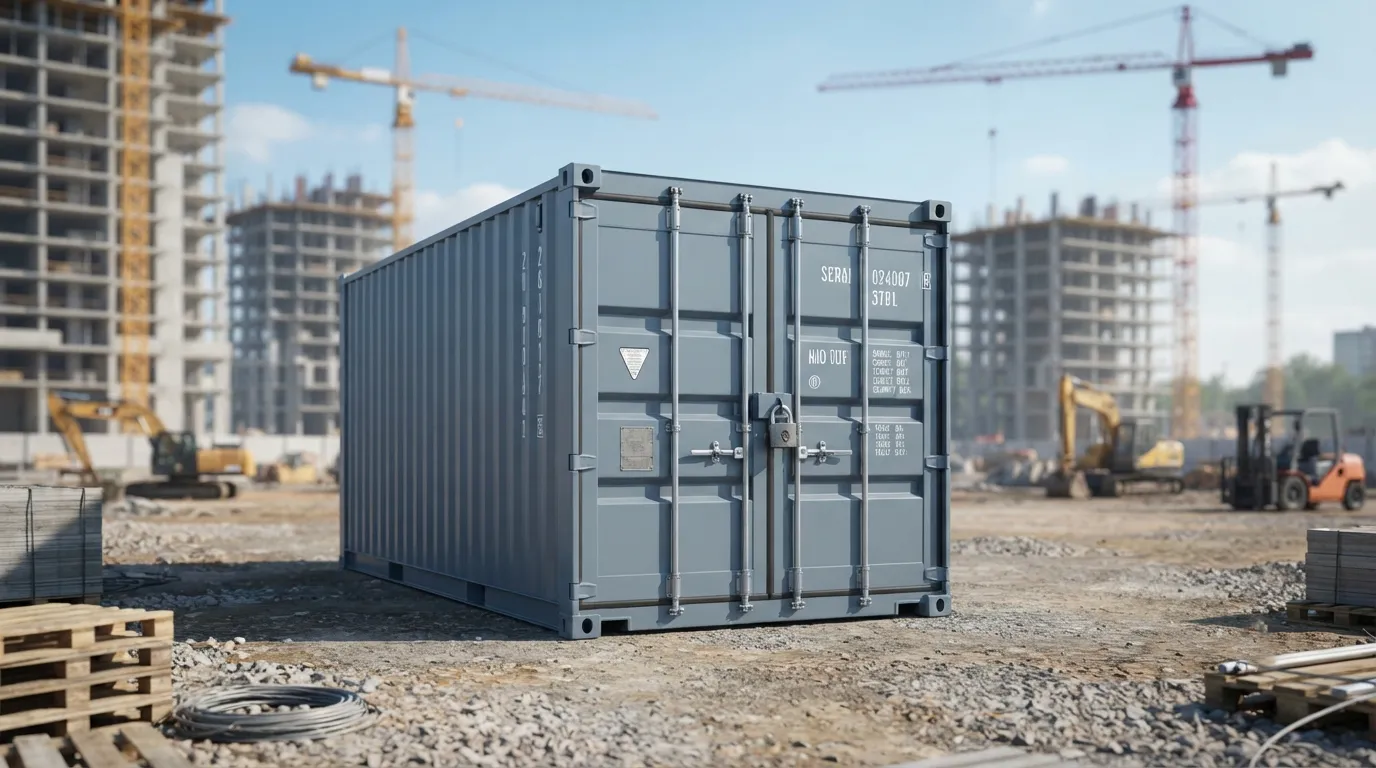
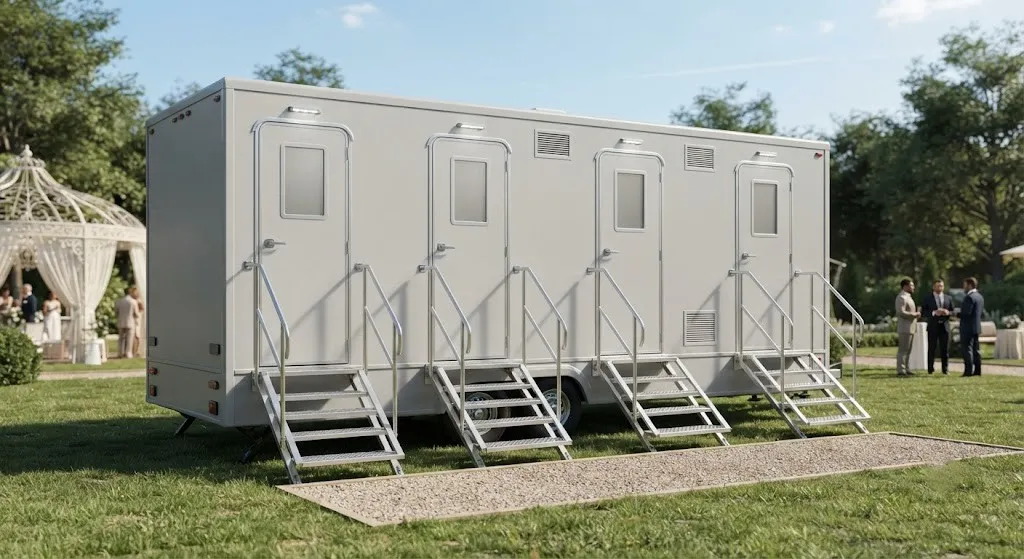
Most working farms outgrow a single rental category fast. Between equipment sheds, seasonal storage and harvest debris, a lot of Brooklyn Park operations end up renting three or four service types at once rather than just restrooms. A storage container rental handles tools and parts between seasons, and a roll-off dumpster rental clears crop waste, packaging or old fencing without a dozen truck runs to a transfer station. If you are fencing off a work zone or keeping livestock away from a chemical storage area, temporary fence rental sets a boundary faster than permanent posts. Septic service matters too: a residential-scale tank is typically pumped every 3 to 5 years depending on tank size and household load, and farm properties with a house on the same septic system should track that on the same schedule as the field restrooms. Our septic pumping service and how often to pump a septic tank pages cover that side directly. For farms that also host agritourism, a pumpkin patch, corn maze or fall event, event-grade sanitation looks different from field sanitation, and our farm and agricultural restrooms approach flexes between the two depending on whether the public is on site or just your crew.
Frequently asked questions
How much does a farm restroom rental cost per month?
A standard unit runs 125 to 325 dollars a month depending on service frequency and distance from Brooklyn Park. Multi-unit clusters for larger crews cost more per site but less per worker. Check monthly porta potty rental for the full breakdown before committing to a season-long contract.
Can I move units between fields during the season?
Yes, most rental agreements allow relocation as harvest moves. Tell us your rotation up front so pricing reflects it. See porta potty placement guide for ground and access notes before delivery day.
Do I need an ADA unit for farm crews?
Only if your crew or visiting public requires one; ADA Standards 213.2 requires at least 5 percent of clustered units be accessible where units serve the public. Ask about an ADA accessible porta potty for mixed-use sites.
What happens to restrooms in winter?
Units still work in cold weather with adjusted servicing and antifreeze in the tank. Farms running late-season harvest or early spring planting should read porta potty in winter before scheduling.
Is a handwashing station required if I already have a hose on site?
A hose is not a code-compliant washing facility under 1928.110 or 1910.141(d)(2), which call for soap and drying capability. A dedicated handwashing station rental closes that gap cleanly.
Next step
Get a delivery date
Tell us the address, the dates and the headcount. We size the order and confirm the route.